Define The Product Properly
A good agent needs a specification, not a photo. Vague briefs get vague quotes.
Agent Finds And Vets Factories
Real sourcing means visiting, comparing and checking, not forwarding an online listing.
Samples And Specification
Approve a physical sample and lock the specification before production starts.
Inspection And Shipping
Check the goods at the factory before they are packed, then move them.
What A Sourcing Agent Is For
A sourcing agent works on your side of the table in China. They find factories that actually make your product, get comparable quotes, check that the supplier is what it claims to be, handle the specification, inspect the goods, and manage the logistics of getting them out of the country.
The value is not just in finding a supplier. Anyone can find suppliers online in an afternoon. The value is in knowing which of them is a real manufacturer, which is a trading company with a good website, and which one will still be answering the phone when there is a problem with your order.
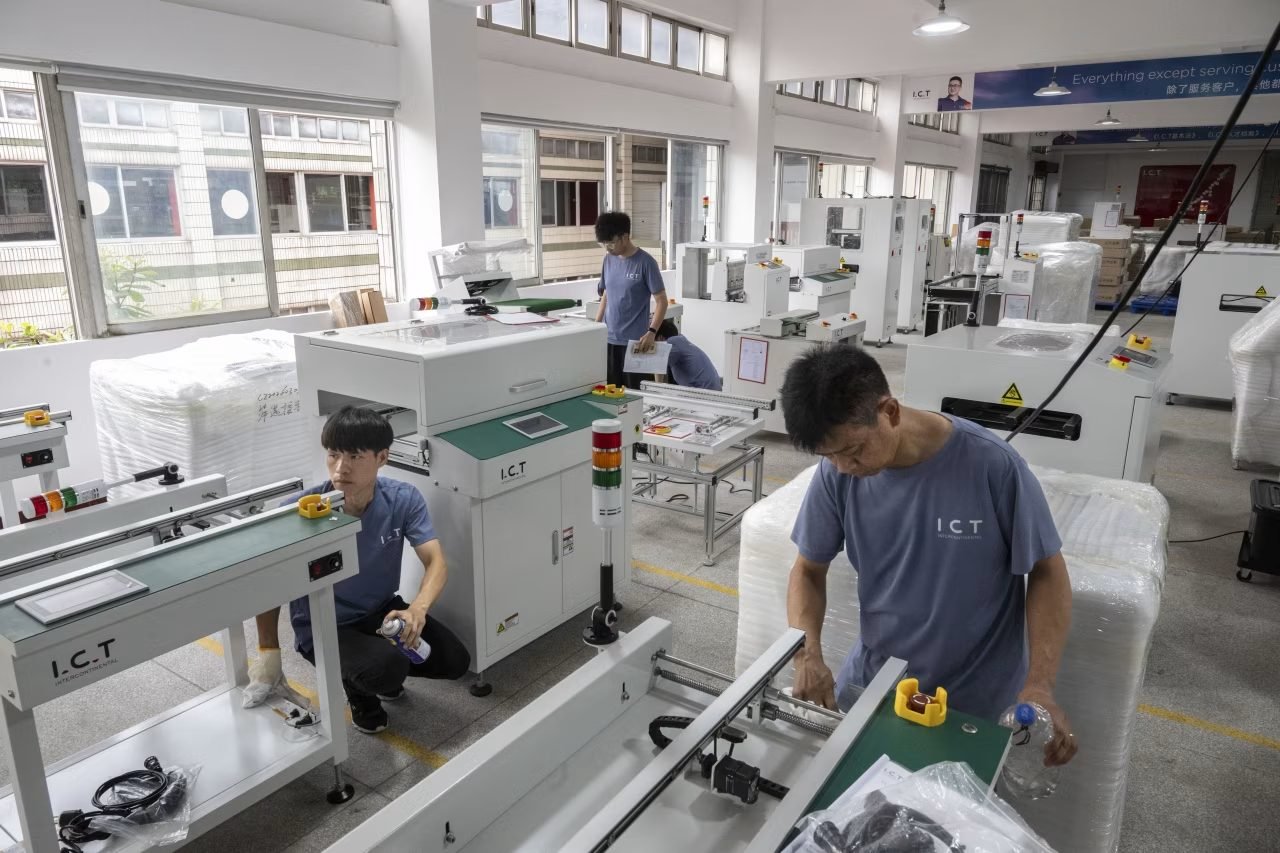
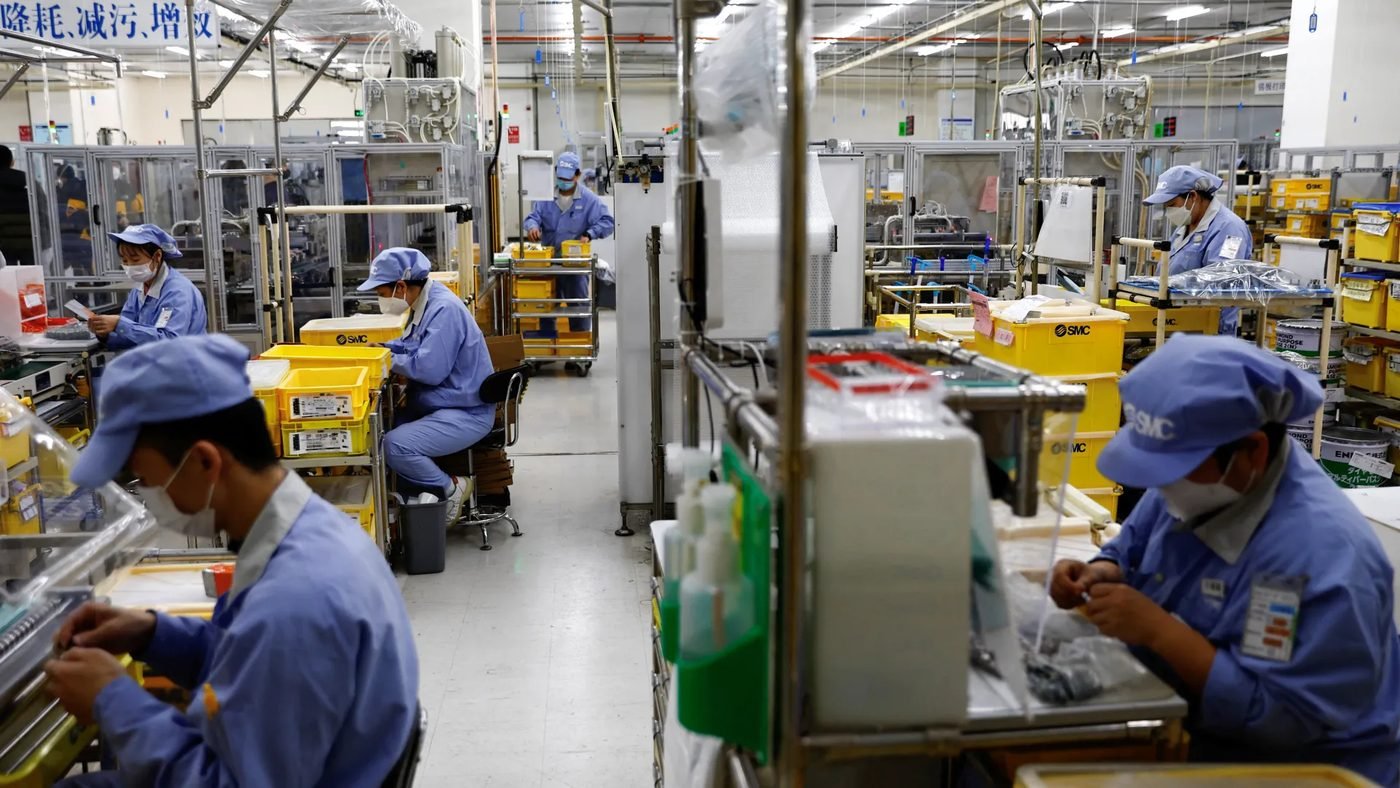
The other real value is being physically present. Someone who can go to the factory can tell you things no amount of messaging will.
Agent, Trading Company Or Manufacturer
These get used interchangeably and they are not the same thing, which is where a lot of confusion and some bad deals come from.
A manufacturer makes the goods. A trading company buys from manufacturers and resells to you, usually without telling you who made it. A sourcing agent is supposed to represent you and be paid by you, not by the factory.
The test is simple. Ask who the manufacturer is and whether you can see the factory. A real agent will tell you. A trading company presenting itself as an agent will not, because the gap between what the factory charges and what you pay is their business model.
Neither model is dishonest in itself. A trading company can be a perfectly good supplier, especially for smaller quantities across multiple products. The problem is only when you are paying agent fees for what is actually a reseller markup.
How Agents Charge
Most commonly a percentage of the order value. Some work on a flat fee per project, some on a retainer for ongoing work. Percentages are simple but create an obvious tension, because a higher order value means a bigger fee.
What matters more than the model is transparency. You want to know what the factory price is and what the agent's fee is as separate numbers. If those two are bundled into a single price you cannot break down, you are not working with an agent, you are buying from a reseller.
Ask directly. The answer tells you which one you are dealing with.
When You Do Not Need One
If you are buying standard consumer goods in moderate quantities, an agent may be a layer you do not need. Buying from an importer who already holds stock in your market is often simpler and cheaper once you count your own time.
Agents earn their fee on custom products, on large orders, on anything where specification and quality control are complicated, and when you are building a supplier relationship you intend to keep for years.
For a first-time importer testing a product, the agent's fee on a small order can be a large part of the margin. That is worth being honest about.
How We Work
We are not a sourcing agent, and it would be misleading to describe ourselves as one. We are an importer. We buy from factories in China with our own money, bring goods into Pakistan and the United States, and sell them on.
That means you are not paying us a percentage to introduce you to someone. You are buying goods we already own, at a price we quote you, from stock or on order. Our Karachi office manages the supplier relationships and the factory-level checks, and our Elmhurst office handles the US side.
If what you need is a genuine sourcing agent for a custom product, that is a different service and you should go and find a good one. If what you need is consumer goods from China delivered in Pakistan or the USA, that is what we do.
Being There Is The Point

Sourcing Agent Questions
What does a China sourcing agent actually do?
Finds and vets factories, gets comparable quotes, manages the specification and samples, inspects goods before they are packed, and handles export logistics. The real value is being physically present in China.
How much does a sourcing agent cost?
Usually a percentage of order value, sometimes a flat project fee or a retainer. What matters more than the model is whether you can see the factory price and the fee as separate numbers.
How do I tell an agent from a trading company?
Ask who manufactures the product and whether you can visit the factory. An agent will tell you. A trading company presenting itself as an agent will avoid the question, because the markup is its business.
Do I need an agent for standard consumer goods?
Often not. For standard products in moderate quantities, buying from an importer who already holds stock is usually simpler and cheaper. Agents earn their fee on custom products and larger, more complex orders.
Is Karachi Traders a sourcing agent?
No. We are an importer. We buy goods from Chinese manufacturers with our own money and sell them in Pakistan and the United States, so you are buying product from us rather than paying us a commission.
Related Pages

Buy From An Importer, Not A Middleman
We own the goods we sell you. Tell us what you need and we will quote it, with no commission layered on top.