Direct Manufacturer Sourcing
We work directly with manufacturers in China rather than routing orders through layered trading intermediaries, which keeps pricing competitive and keeps information intact between the factory and the buyer.
Distribution In Two Countries
Our Karachi and Elmhurst offices mean we fulfill orders in Pakistan and the United States without adding a third-party distributor between the factory and you.
Quality Control At Two Points
Goods are checked before they leave the factory in China and again on arrival at our Karachi or Elmhurst facility, before they reach you.
The Problem With Long Sourcing Chains
Most importing problems are not exotic. They are the predictable result of distance between the buyer and the factory, and that distance is organizational rather than geographic. When an order passes through three or four intermediaries, information degrades at every step. Nobody is entirely certain which factory is producing the goods. Quality gets self-reported by the party with the least incentive to report accurately. Lead times get quoted by someone who does not have to meet them.
The consequence is that problems surface late, usually after a container has sailed, at the point where fixing them is most expensive and least possible. A specification issue that would have taken one conversation before production becomes a write-off after delivery.
Working directly with manufacturers does not eliminate every problem, and we would not claim otherwise. What it does is surface problems early enough to act on them, which is the difference that actually matters.
What Direct Sourcing Looks Like In Practice
It means knowing which factory is producing an order rather than accepting a listing at face value. Two products that look identical in photographs can use entirely different battery cells, charging controllers, coatings, or chipsets, and the listing does not change when the factory does.
It means selecting manufacturers with production history in the specific subcategory rather than general factories that added a product line recently. A factory that has built power banks for years is a materially different proposition from one that added them last quarter, and that difference is invisible until units are in customers' hands.
It also means being able to have the specification conversation before production starts. Electrical standards, compliance requirements, and packing specification are all cheap to set at the outset and expensive or impossible to change afterward.
Why Two Offices Matter
Pakistan and the United States are genuinely different destination markets. Voltage and plug standards differ, so mains-powered products have to be built for their destination. Compliance expectations differ. Seasonal demand differs because the climates differ, which means a stocking calendar built for Illinois does not transfer to Karachi.
Operating on both sides means these conversations happen at the quote stage rather than becoming the buyer's problem to work out with an overseas factory. It also means a buyer in either market is dealing with the same company and the same sourcing rather than with a local reseller who bought from someone else.
How We Think About Price
We quote on landed cost rather than factory unit price, because the two rank suppliers differently more often than buyers expect. Freight, duties, inspection, and the replacement cost of defective units all sit on top of the unit price, and they do not scale evenly across product types. Dense goods carry high freight per unit. Bulky goods consume container volume out of proportion to their value. Fragile goods carry a breakage rate that behaves as a hidden cost.
Where a cheaper specification exists that we believe will cost more in returns than it saves in unit price, we say so. Buyers are free to disagree, and sometimes do, but we would rather raise it than let it surface after delivery.
What We Will Not Promise
We try to be candid about limits. Lead times in some categories are genuinely longer than buyers expect, particularly around Chinese New Year when factory output pauses and the backlog afterward extends timelines. Minimum order quantities vary by product rather than by category. Where a requested delivery window is not realistic for a given product line, we say so rather than accepting an order we cannot fulfill on schedule.
Questions About Our Approach
What does sourcing directly from manufacturers actually change?
It gives us visibility into which factory is producing an order, what components are being used, and when production will realistically finish. That information is commonly lost when an order passes through several intermediaries before reaching the buyer.
Do you handle both Pakistan and United States orders from one supply chain?
Yes. Both offices work from the same supplier relationships. Sourcing is centralized through Karachi, and goods are routed to whichever office matches the destination market.
Is the cheapest unit price always the best value?
Not usually. Freight, duties, and the replacement cost of defective units sit on top of the unit price and do not scale evenly across product types, so we quote on landed cost rather than factory price alone.
Related Pages

Ready To Start Sourcing?
Tell us what you need and where it is going. We will confirm pricing, minimum order quantities, and lead times for your market.
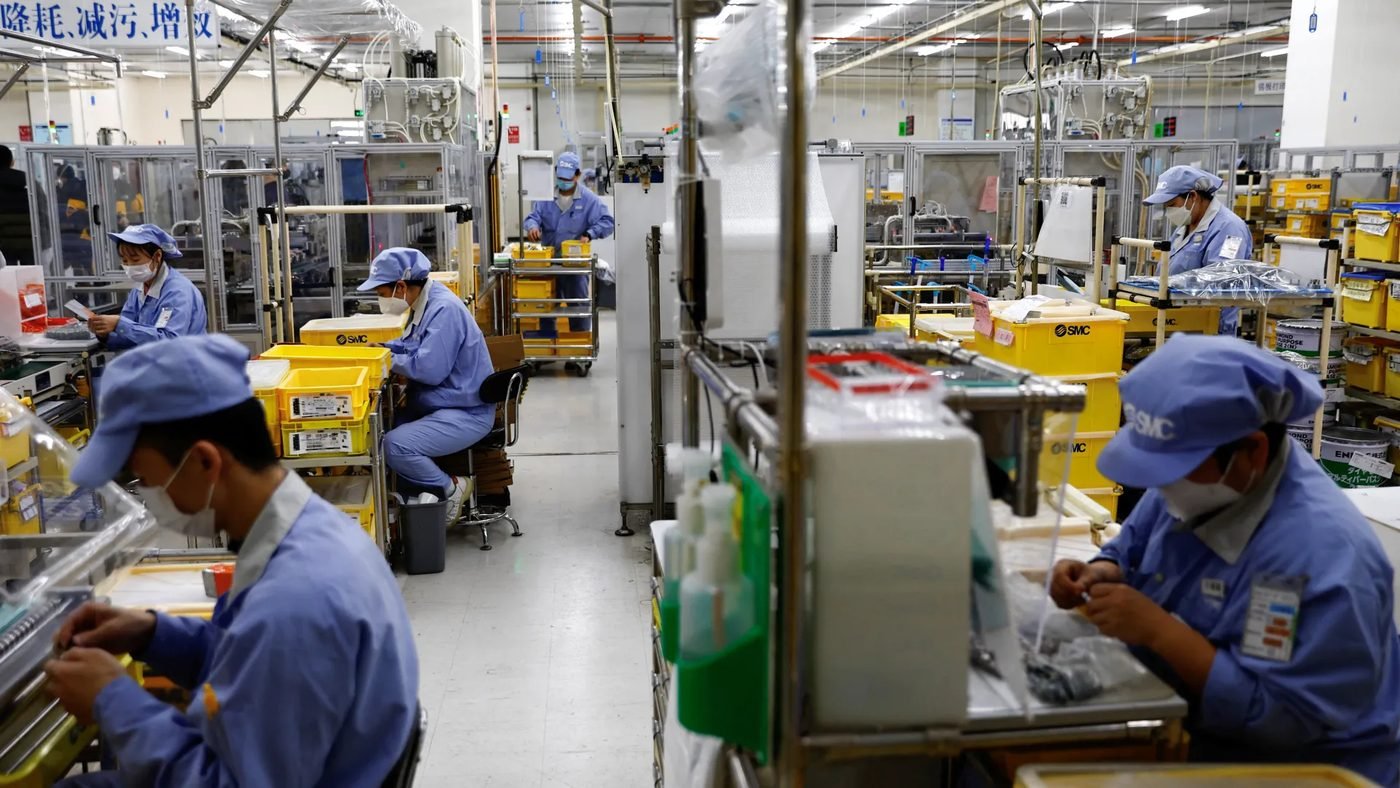
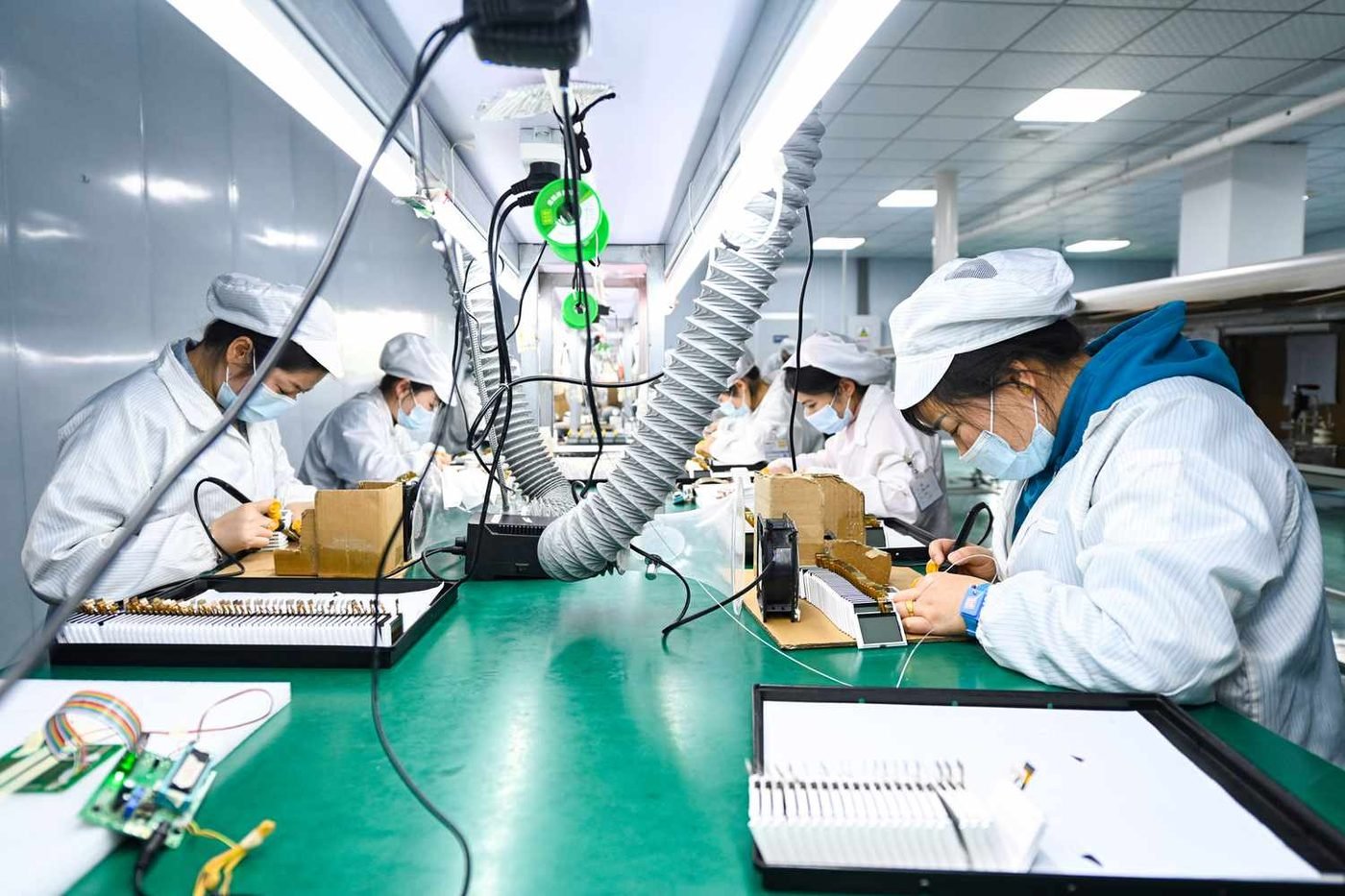
Direct From The Manufacturer
Working straight with the factory is what lets us control price, specification, and quality instead of inheriting someone else's terms.
Karachi Traders In Operation