
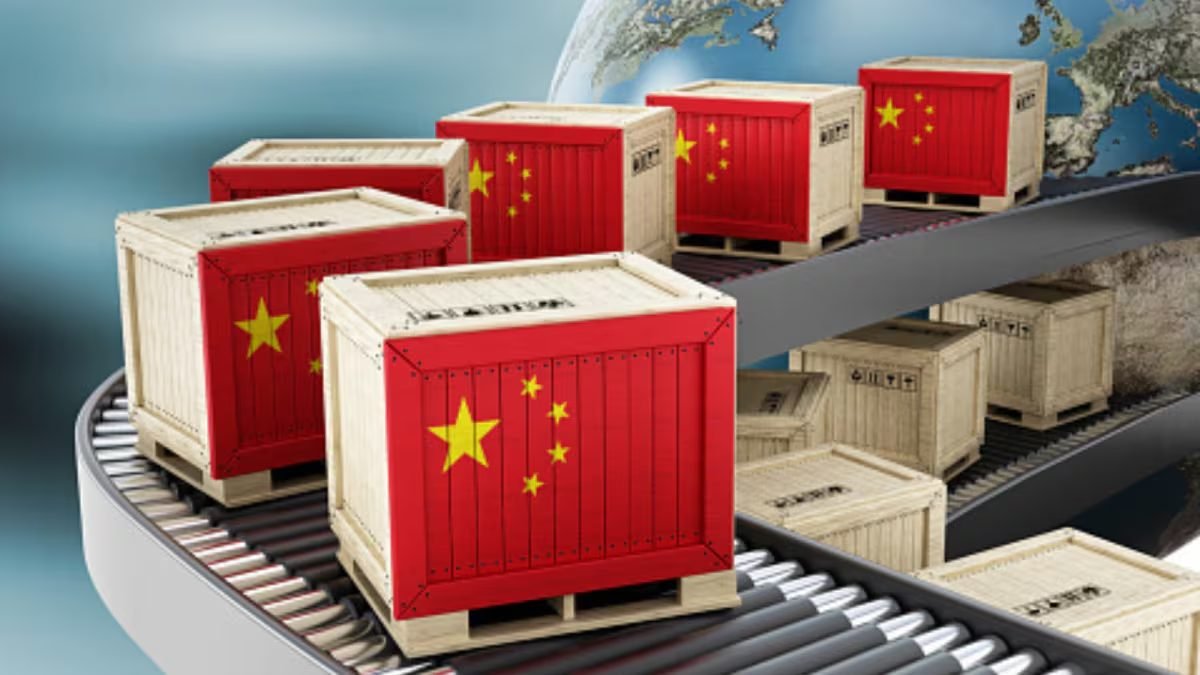
Register The Business
You need an NTN from the FBR, sales tax registration, a business bank account, and a profile on the Pakistan Single Window. Without those, you cannot legally file an import.
Find And Check The Supplier
Find a factory, confirm it actually makes the product, and agree the specification in writing before any money moves.
Work Out The Landed Cost
Unit price is the start. Add freight, duties, taxes, clearing and inland transport before you decide if the deal works.
Ship, Clear, Collect
Book freight, get the documents right before the vessel sails, file the Goods Declaration, pay the duty, and clear the cargo.
Start With The Registrations, Not The Product
Most people start by browsing suppliers. That is the fun part, but it is the wrong order. If your paperwork is not in place, you can buy goods you are not able to clear.
You need a National Tax Number from the Federal Board of Revenue. You need sales tax registration to import commercially. You need a current business bank account, because import payments go through a bank and the bank is part of the customs process. If you are importing in a company name rather than your own, the company has to be registered with the SECP first.
You then register on the Pakistan Single Window. PSW is the online platform that now handles most of what importers used to do inside WeBOC. WeBOC still runs underneath as the customs clearance system, but for a new importer, PSW is where you sign up and file. Many older guides online only mention WeBOC, which is why new importers get confused about which one they need.
Get The HS Code Right Before You Buy
Every product has an HS code. That code decides your duty rate, whether extra duties apply, and whether the product needs any special approval. It is the single most important number in the whole process.
Get it wrong and customs can reassess your shipment, which means delay, a higher bill, and demurrage while the container sits. Ask your supplier for the code they use, then confirm it yourself against the FBR tariff rather than taking it on trust. A supplier is classifying for export from China, not for import into Pakistan, and their interest in the code is not the same as yours.
If the product is unusual, or if the classification could reasonably go two ways, this is worth paying a clearing agent to confirm before you place the order rather than after.
Understand What You Will Actually Pay
The duty rate you look up is not the whole bill. Pakistani imports carry several charges that stack, and some of them are worked out on a value that already includes the ones before it.
Rates change with the budget and with regulatory notifications, so do not trust a percentage you read in a blog post, including this one. Look up your own HS code on the current FBR tariff, or ask a clearing agent, and do it close to when you actually order.
| Charge | What it is | What it is worked out on |
|---|---|---|
| Customs Duty | The base tariff for your HS code. | The assessed value of the goods. |
| Additional Customs Duty | A further duty applied on top of the base rate. | The assessed value. |
| Regulatory Duty | An extra duty applied to selected goods, often finished consumer items. | The assessed value. |
| Sales Tax | The standard import sales tax. | Value plus the duties above. |
| Withholding Tax | Income tax collected at import. Adjustable against your annual filing. | Value plus duties. |
Know Which Route Your Goods Take
Most consumer goods come by sea into Karachi Port or Port Qasim. That is the cheapest route for anything with volume or weight, and it is what most commercial importers use.
Air freight into Karachi, Lahore or Islamabad costs far more per kilo but takes days instead of weeks. It makes sense for samples, for light high-value items, or when you have misjudged your timing and need stock before a season starts.
There is also a land route from China through the Khunjerab Pass into Gilgit-Baltistan. It exists and it is used, but it is seasonal, the pass closes in winter, and it is not the default option for a first-time commercial importer.
Documents Are Where First Orders Go Wrong
The documents that matter are the commercial invoice, the packing list, the bill of lading or air waybill, and the certificate of origin. For goods coming from China the certificate of origin matters more than people expect, because it is what lets you claim the reduced rate under the China-Pakistan Free Trade Agreement.
The common failure is simple. The supplier sends generic paperwork, the description does not match what is in the container, or the declared value does not look right to customs. Fixing that after the cargo lands is expensive, because the container is accruing charges while you argue.
Check the documents before the vessel sails. Not after.
The Mistakes That Cost The Most
Paying in full up front to a supplier you have not verified. Ordering a container of something before testing it with a small order. Budgeting on unit price and forgetting that duty, freight and clearing can add a substantial amount on top.
The other common one is buying a product that is cheap to make and expensive to land. Bulky, low-value goods eat their own margin in freight. A product that looks good at the factory price can stop making sense once it has taken up half a container.
None of this is difficult once you have done it. It is only expensive the first time, and it is expensive in ways that are easy to avoid.
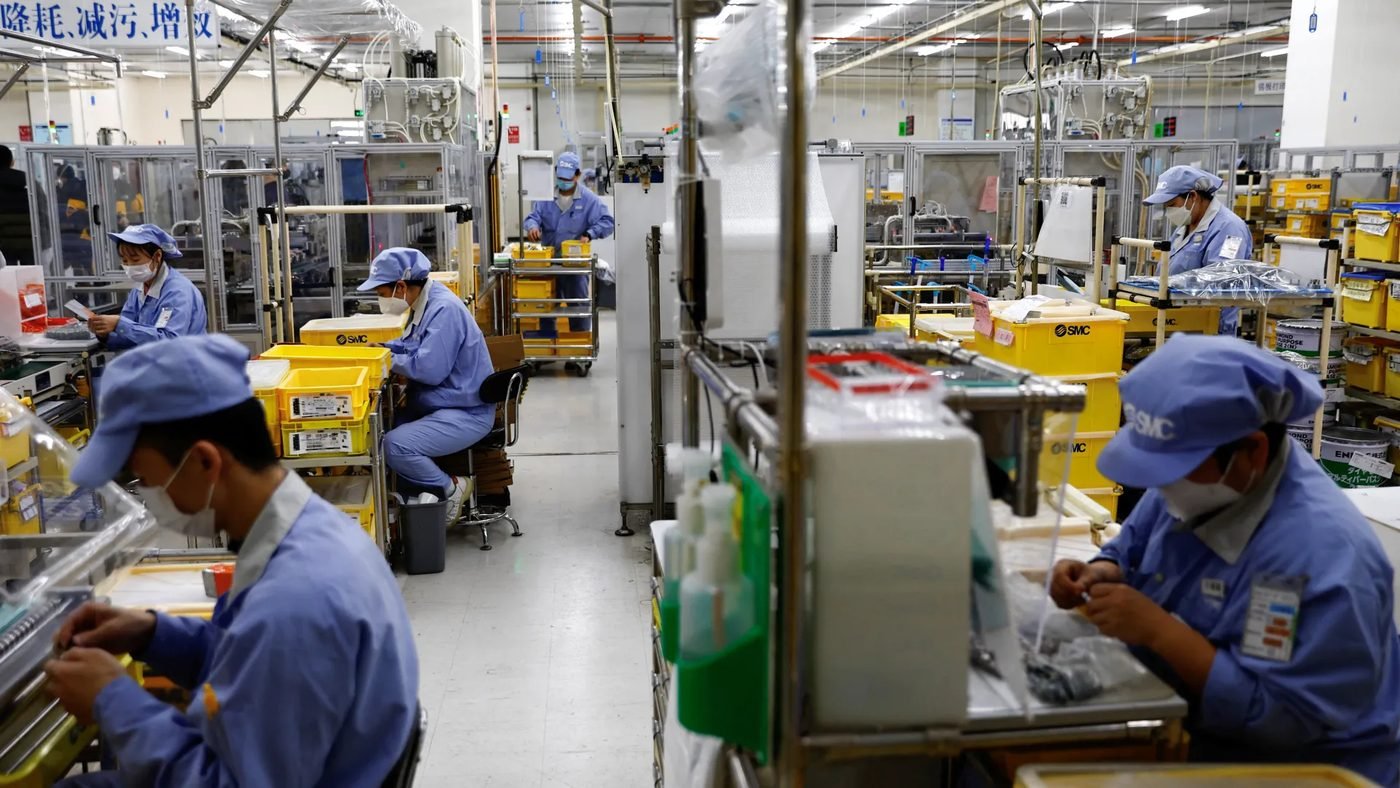
From The Factory Floor To Karachi

Importing From China To Pakistan
Do I need an import licence to import from China to Pakistan?
For most commercial goods there is no separate import licence. What you need is an NTN, sales tax registration, a business bank account and a Pakistan Single Window profile. A small number of restricted categories need specific authorisation from the Ministry of Commerce, so check your product before you order.
What is the difference between PSW and WeBOC?
Pakistan Single Window is the platform importers register and file on now. WeBOC is the older customs system, and it still operates underneath as the clearance system. Traders working through PSW do not need to use WeBOC separately.
Do I need a customs clearing agent?
In practice yes. Clearance in Pakistan runs through a licensed clearing agent, and a good one pays for themselves on your first shipment by catching classification and document problems before they become demurrage.
How much money do I need to start importing?
It depends entirely on the product and the order size, so anyone giving you a single figure is guessing. Budget for the goods, freight, duty and taxes, clearing and inland delivery, then keep a buffer on top for the charges you did not expect. Your first order should be small enough that being wrong is survivable.
Can I import a small quantity to test a product first?
Yes, and you should. A small trial order by air or as a shared container load costs more per unit, but it tells you whether the product is right, whether the supplier delivers what they promised, and what the real landed cost looks like before you commit to a container.
Related Pages
Want To Skip The Learning Curve?
We already buy from factories in China and bring goods into Pakistan and the USA. Tell us what you are looking for and we will quote it landed.