Sourcing consumer electronics from China remains one of the most common ways retailers and distributors build a product line at competitive prices. It is also the category where the gap between a well-run sourcing process and a poorly run one shows up fastest, because electronics fail in ways that customers notice immediately and complain about publicly.
This guide covers what actually matters when importing electronics, based on the decisions that separate orders that go smoothly from orders that generate returns, delays, and customs problems.
Start With The Factory, Not The Listing
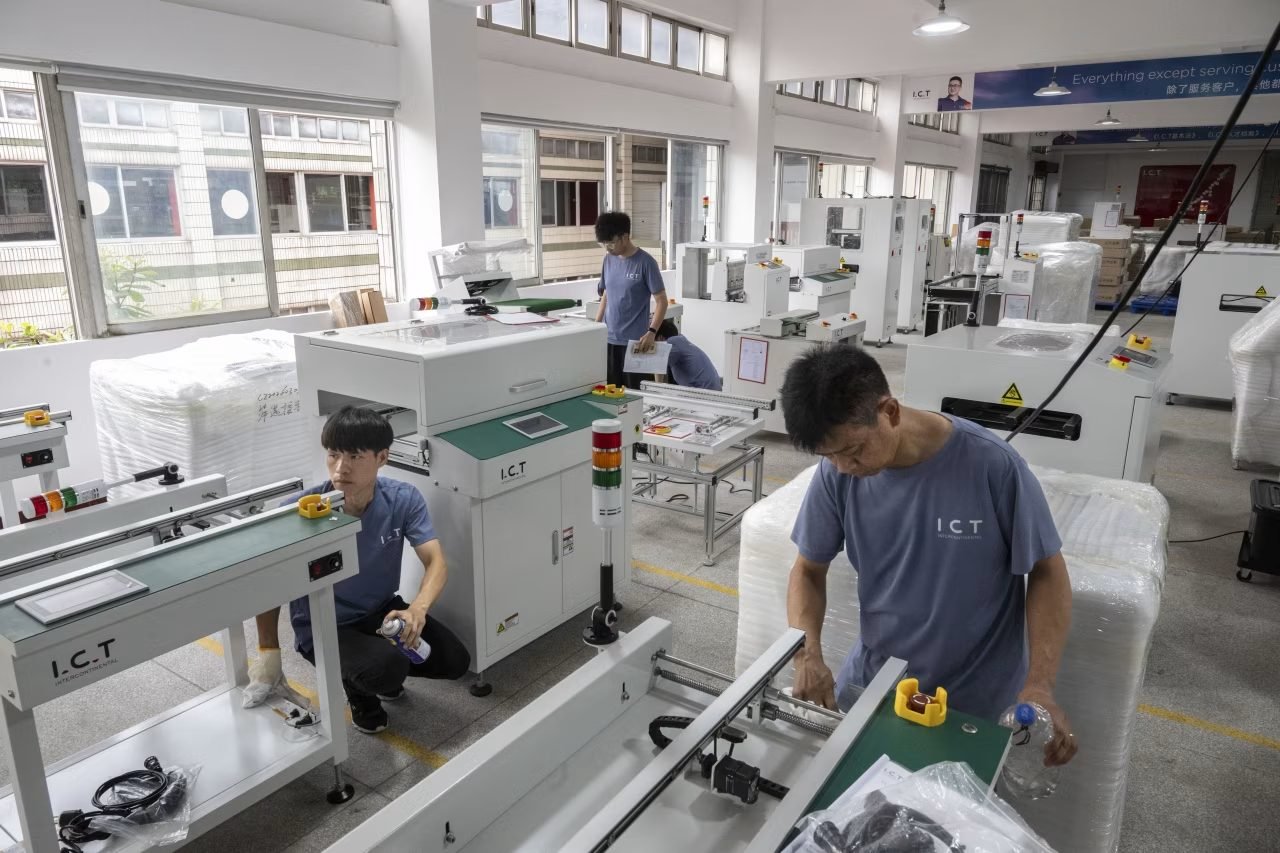
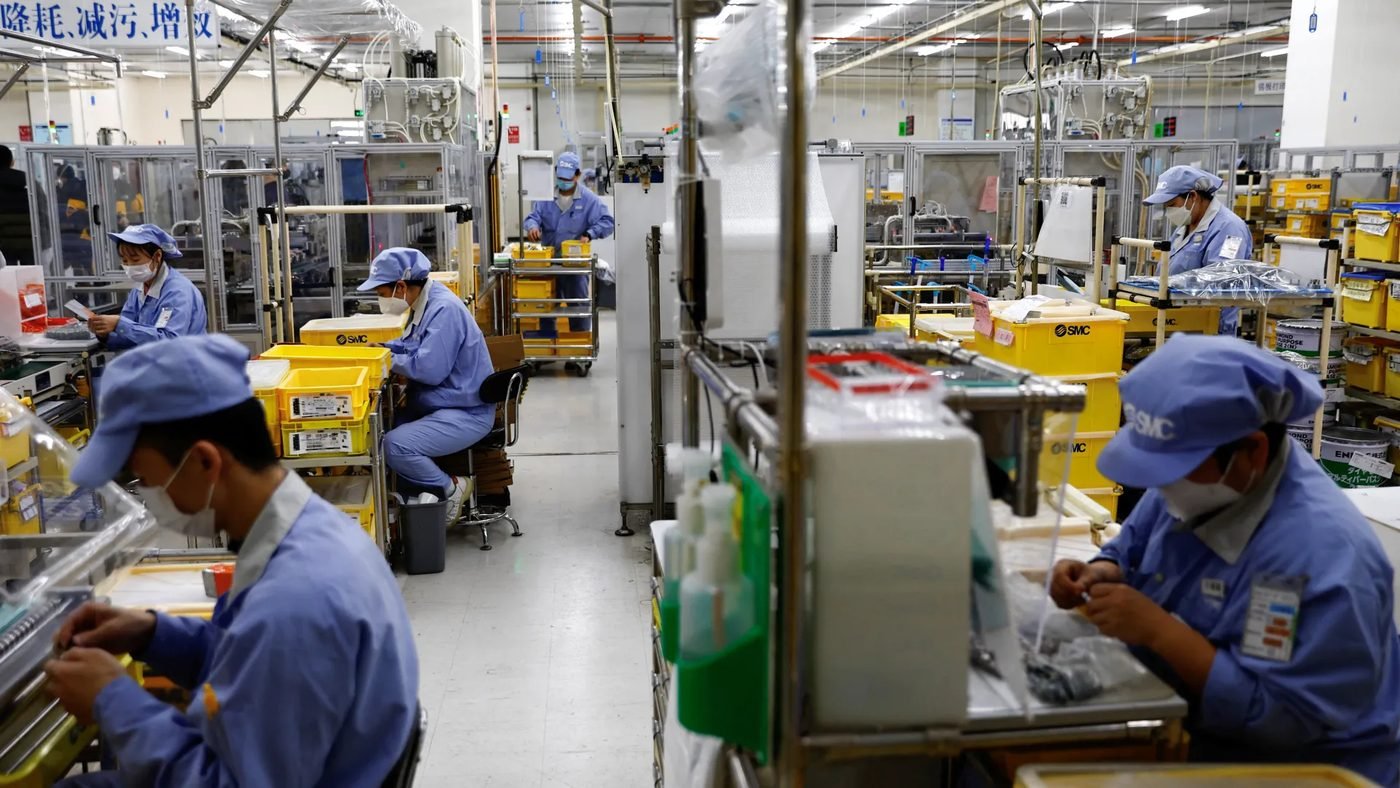
The most common mistake first-time importers make is treating an online product listing as the unit of decision. It is not. The unit of decision is the factory producing the goods, and many listings are posted by trading companies that will place your order with whichever factory quotes lowest that week.
That matters because two products that look identical in photographs can use entirely different battery cells, charging controllers, or Bluetooth chipsets. The listing does not change. The product does.
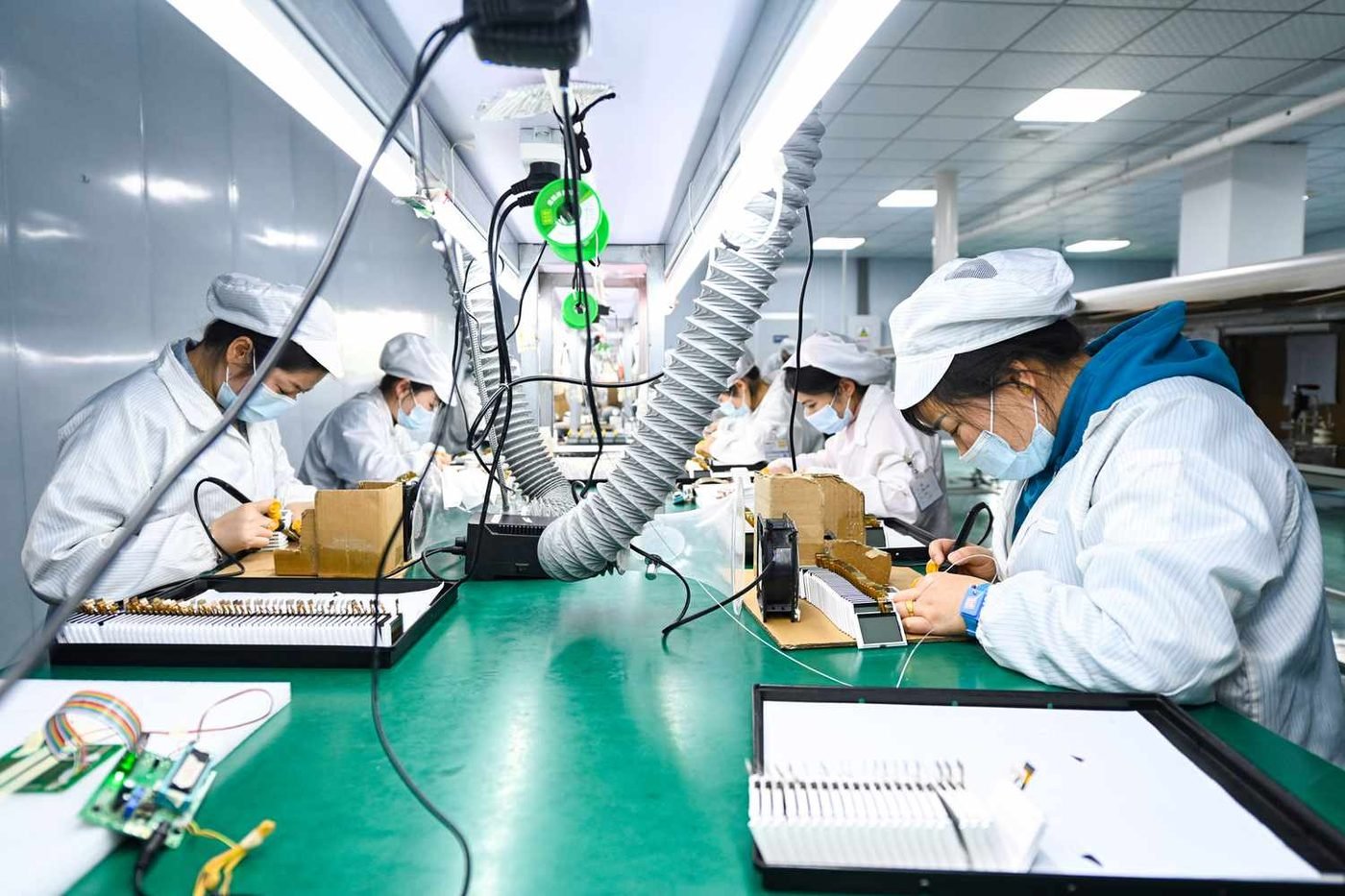
Ask who is actually manufacturing the goods and whether that factory has a production history in the specific subcategory. A factory that has built power banks for years is a materially different proposition from one that added power banks to its catalog last quarter, and the difference will not be visible until the units are in customers' hands.
Quality Control Belongs At Two Points
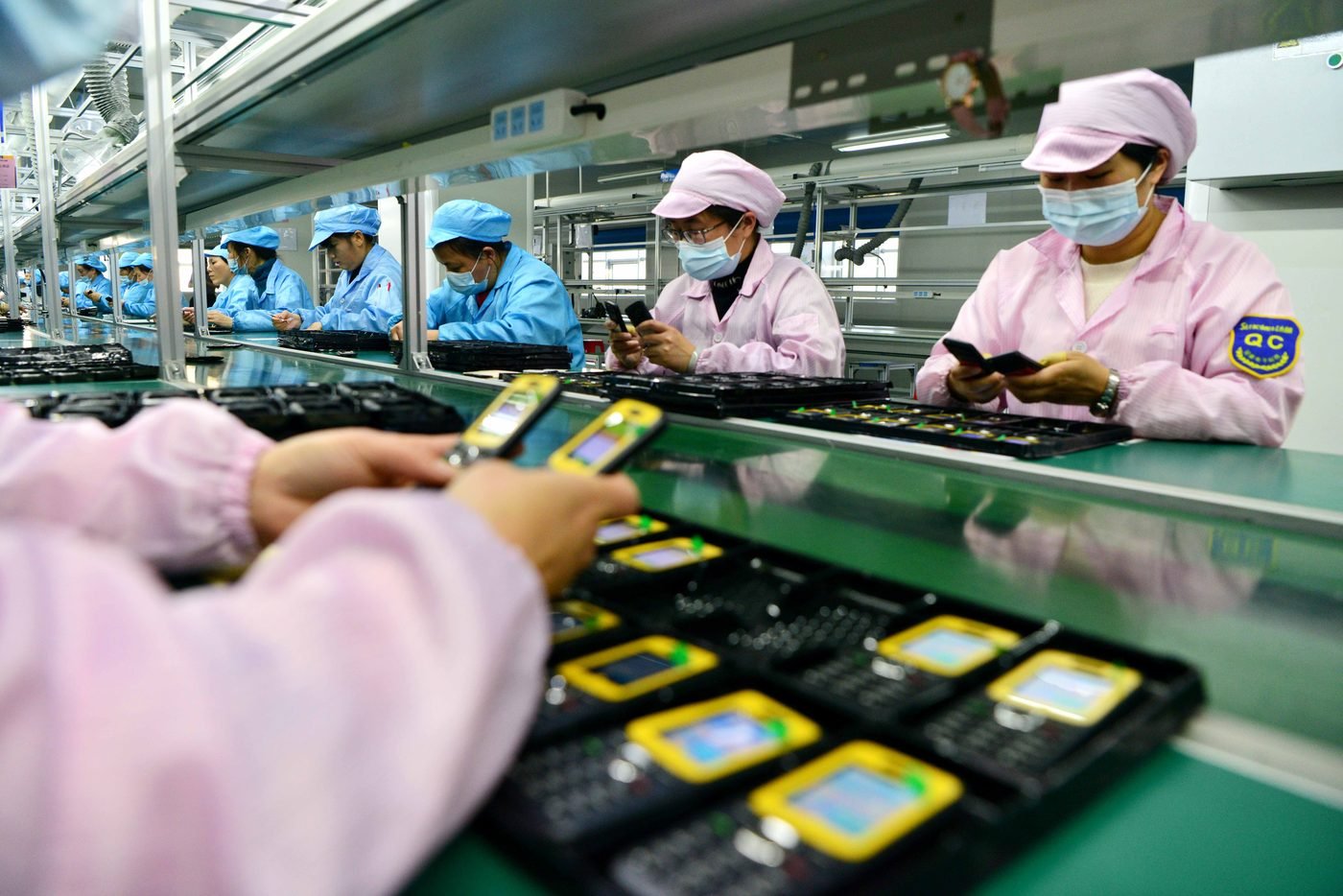
Effective quality control in electronics happens twice: before goods leave the factory, and again when they arrive at the destination warehouse. Skipping the first means defects travel across an ocean before anyone notices. Skipping the second means defects reach customers.
Pre-shipment inspection is the higher-leverage of the two, because problems caught before loading can still be corrected without freight cost. It is also the one most commonly skipped, because it requires someone present at the factory rather than someone reviewing photographs remotely.
For buyers without their own presence in China, this is one of the clearest arguments for working through an importer who does. The alternative is trusting a factory to self-report on its own output, which is not a control.
Understand Compliance Before Production Starts
Electronics face more regulatory scrutiny at the border than most categories, and requirements differ meaningfully between markets. A product configured for the United States market will not automatically satisfy requirements in Pakistan, and the reverse is equally true.
The critical timing point is that compliance requirements need to be resolved before production begins. Adjusting a production run to meet a certification requirement is a manageable conversation with a factory that has not started yet. It is an expensive problem once containers are moving, and an unsolvable one once goods are sitting at a port.
Voltage and plug standards fall into the same category. These are specification decisions, not adjustments, and they need to be made at order.
Price The Landed Cost, Not The Unit Cost
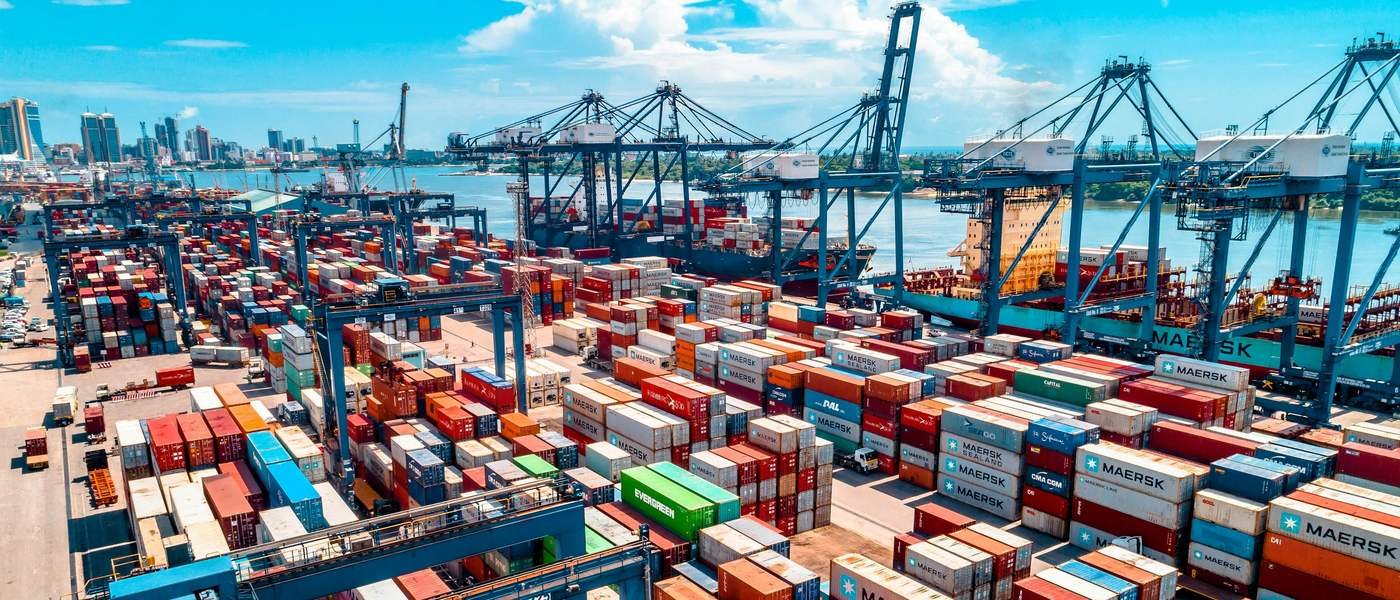
The unit price a factory quotes is one component of what the goods will actually cost you. Freight, duties, inspection, and the replacement cost of defective units all sit on top of it, and they do not scale evenly across product types.
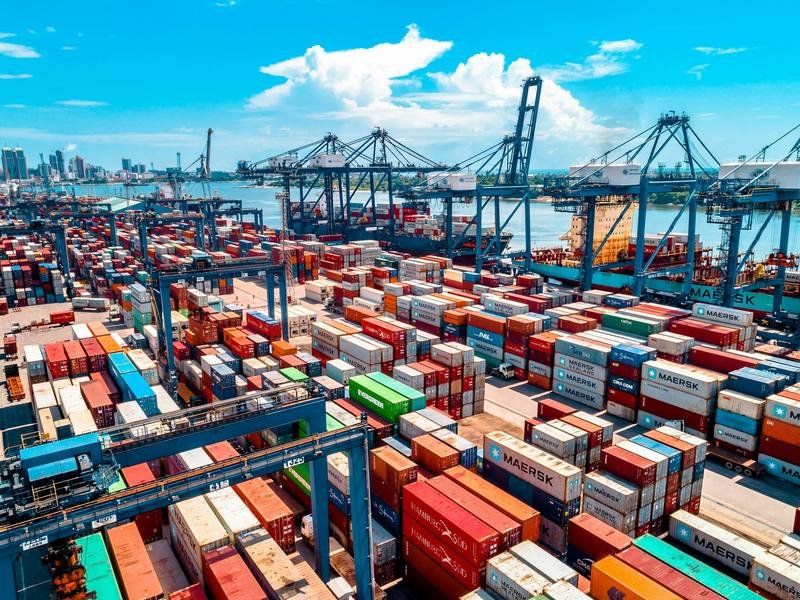
Dense products carry high freight cost per unit. Bulky products consume container volume out of proportion to their value. Fragile products carry a breakage rate that functions as a hidden cost. A quote that looks competitive on unit price can lose to a higher quote once these are included.
The practical discipline is to compare suppliers on landed cost per saleable unit rather than on factory quote, because the cheapest factory quote and the cheapest total cost are frequently not the same supplier.
Plan Lead Times Backward From Demand
Electronics lead times are rarely as short as buyers expect, particularly around Chinese New Year, when factory output pauses and the backlog afterward extends timelines for weeks.
Buyers who plan orders backward from when they need stock on shelves consistently outperform those who order when shelves start looking empty. In practice this means placing orders considerably earlier than intuition suggests, especially for goods needed during a seasonal peak.