
Published September 24, 2026 Pakistan Import Planning
In 2027, two big dates land almost on top of each other. Chinese New Year falls on Saturday, February 6. In Pakistan, Ramadan is expected to start around Tuesday, February 9, and Eid ul Fitr is expected around Wednesday, March 10. Moon sighting sets the final dates.
That matters because Chinese New Year is the biggest shutdown in Chinese manufacturing. Factories slow down weeks before it and take weeks to get back to full speed after it. If your Ramadan and Eid stock is not made and shipped before the shutdown, it will not reach your shop in time.
This guide gives you the key dates, a simple timeline to work backwards from, and what to do if you have already left it late.
The 2027 Calendar Problem
If you ordered stock for Ramadan 2026, you have already seen this. Chinese New Year fell on February 17, 2026, within days of the start of Ramadan. In 2027 the two dates sit side by side again, but both come about 11 days earlier. So every deadline in this guide is roughly 11 days earlier than it was last year.
| Date | What happens |
|---|---|
| October 1 to 7, 2026 | China's National Day holiday. Factories and offices slow down for the week, so replies and samples take longer. |
| Early to mid January 2027 | Many factories stop taking new orders. Workers start leaving for home. Freight space gets tight and rates rise. |
| February 5 to 12, 2027 (expected) | The official Chinese New Year public holiday. Most factories are closed. |
| February 6, 2027 | Chinese New Year. |
| Around February 9, 2027 | Ramadan expected to begin in Pakistan. |
| Late February to early March 2027 | Factories restart slowly. Many run below full capacity until workers return. |
| Around March 10, 2027 | Eid ul Fitr expected in Pakistan. |
Why Chinese New Year Stops Everything
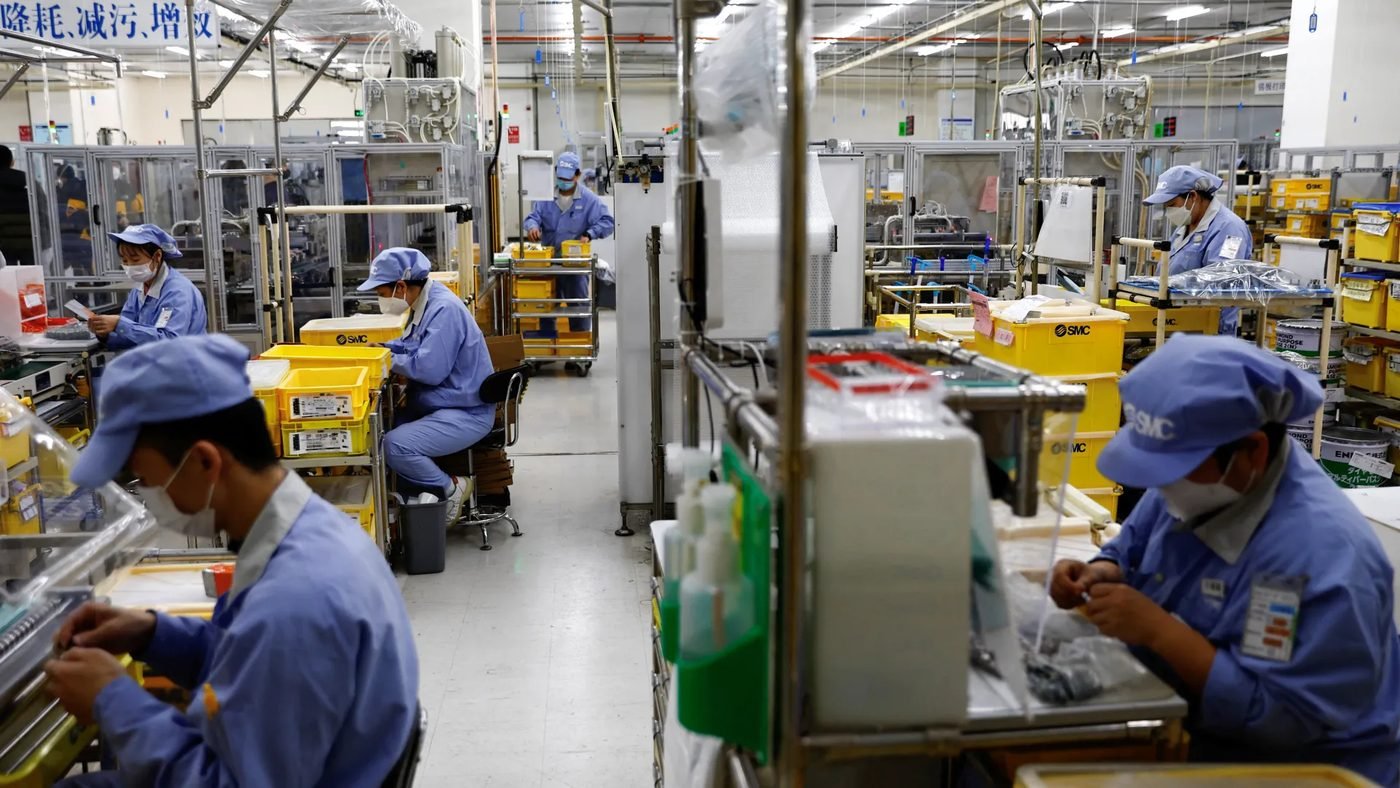
The official holiday is about a week. The real disruption is much longer. Most factory workers travel home to other provinces, many leave early, and some do not come back afterwards. Factories restart with fewer people, and output stays below normal for weeks.
Shipping gets squeezed too. In the weeks before the holiday, every buyer in the world is trying to get goods out of China at the same time. Container space fills up, freight rates rise, and cargo that misses its vessel waits for the next one.
There is also a quality risk after the holiday. New or returning workers, rushed production and backlogged orders make mistakes more likely. If any of your stock is made in late February or March, a check at the factory before it ships matters more than usual.
Work Backwards From Ramadan, Not Eid
Eid is the finish line, but it is not your deadline. Most Eid shopping happens during Ramadan, and especially in the last two weeks. Some buying starts even before Ramadan. When Daraz Pakistan looked at its sales, it found that mobile accessories lead in the run-up to Ramadan, then shoppers move on to fashion, home decor and gifts as Eid gets closer.
So the safe target is to have stock on your shelves before Ramadan starts, around February 9. Here is how that works backwards.
| Target date | What needs to happen |
|---|---|
| Now to mid October 2026 | Pick your products. Ask for prices, minimum quantities and samples. |
| By mid November 2026 | Approve samples, confirm the order and pay the deposit. Lock the specification so nothing changes during production. |
| Mid November to late December | Production, then a quality check at the factory before packing. |
| By late December 2026 | Goods loaded and sailing. This keeps you clear of the January freight rush. |
| January 2027 | Sea freight to Karachi or Port Qasim. Plan on about three to four weeks port to port. |
| Late January to early February | Berthing, customs clearance and delivery to your warehouse. Allow at least one to two weeks. |
| Before February 9, 2027 | Stock on shelves as Ramadan begins. |
Do not assume the port end will be quick. A report in May 2026 put the average waiting time for ships at Karachi at 5.5 days, with customs clearance taking another three to six days on average. That is before any problem with your documents.
What if goods sail in mid January? They would most likely land in mid February and reach shops after Ramadan has started. That can still catch the last weeks of Eid shopping, but it misses the start of the season and leaves no room for any delay. For more on routes and freight options, see our guide to shipping from China to Karachi.
What Sells In Ramadan And Eid
Ramadan 2027 falls in February, which is winter in most of Pakistan. The summer spike in fridges and air conditioners is not the driver this time. The steady sellers are the smaller items people buy for the home, for guests and as gifts.
Mobile accessories and chargers. Power banks, chargers, cables and earbuds sell well before Ramadan and again as Eid gifts.
Kitchen appliances and tools. Choppers, blenders, juicers and food storage help with iftar and sehri cooking for big families.
Home decor and organization. Lights, wall decor and serving pieces sell as families get ready to host Eid guests.
Beauty tools and accessories. Hair styling tools and grooming kits move in the last two weeks before Eid, for personal use and as gifts.
Car accessories. Many families travel home for Eid. Phone holders, car chargers and seat covers pick up before the trip.
Lock The Specification Early
A late change during production is one of the easiest ways to miss the deadline. Agree these points before production starts, not after.
Plugs and voltage. Pakistan runs on 230 volts and uses round-pin plugs. Any appliance or charger has to match, or it will sit in your warehouse.
Packaging and labels. Decide on the box, the language on it, and any Eid or gift packaging before the order is confirmed.
Certificate of origin. Chinese goods can qualify for lower customs duty under the China Pakistan Free Trade Agreement, but only with the right certificate from the supplier. Ask for it when you place the order.
Documents. Ask for draft invoice and packing list while goods are still in production, so your clearing agent can check them before the ship leaves. Our guide to import documents and PSW covers what you need.
If You Have Already Left It Late
Use air freight for small, light items. Earbuds, chargers and beauty tools can fly in days instead of weeks. It costs far more per kilo than sea freight, so it rarely works for bulky goods like kitchen appliances.
Buy from stock that is already in Pakistan. An importer who ordered ahead can supply you without the wait. Ask us what is available.
Cut the range. Put your money into the few lines that sell fastest, rather than spreading a late order thin.
Plan the next season now. Orders placed right after the holiday will be made while factories are still ramping up, so leave extra time for anything you need later in the year.
How We Can Help
Karachi Traders imports consumer goods directly from manufacturers in China and distributes them across Pakistan through our Karachi office. We plan our own orders around Chinese New Year every year, and we check goods at the factory and again on arrival.
Tell us what you want to stock for Ramadan and Eid, and roughly how much. We will come back with pricing, minimum quantities and a realistic arrival date. If you are not sure whether to import yourself or buy locally, read our comparison of Karachi wholesale markets and importing directly from China.